

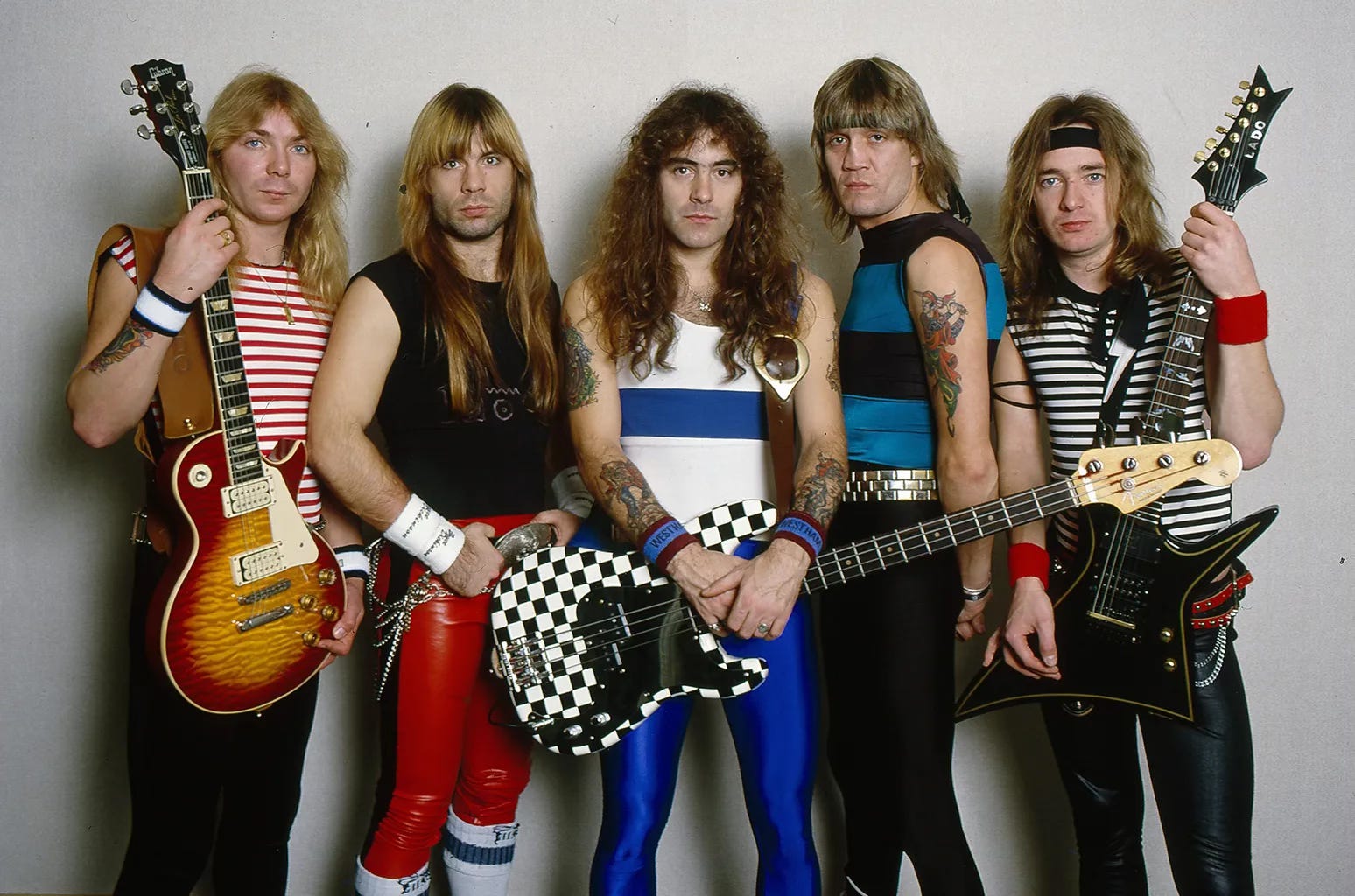
TL;DR: The Maiden Strategy Briefing
The Goal: Transcend the “band” label to become a global brand with multi-generational staying power.
The Results: A brand valuation exceeding $250M; sold-out global stadiums; a “cult” following that defies technological shifts.
The Pillars: Earned Love, Timeless Narratives, and Strategic Rejection.
A clip from 2016 recently resurfaced of Radio Host Ebro telling Lil Uzi Vert he would be “struggling” in 7 years’ time.
When you think about modern artists, their anticipated “fall off” date comes even quicker, some in less than a few years, some in even less than that.
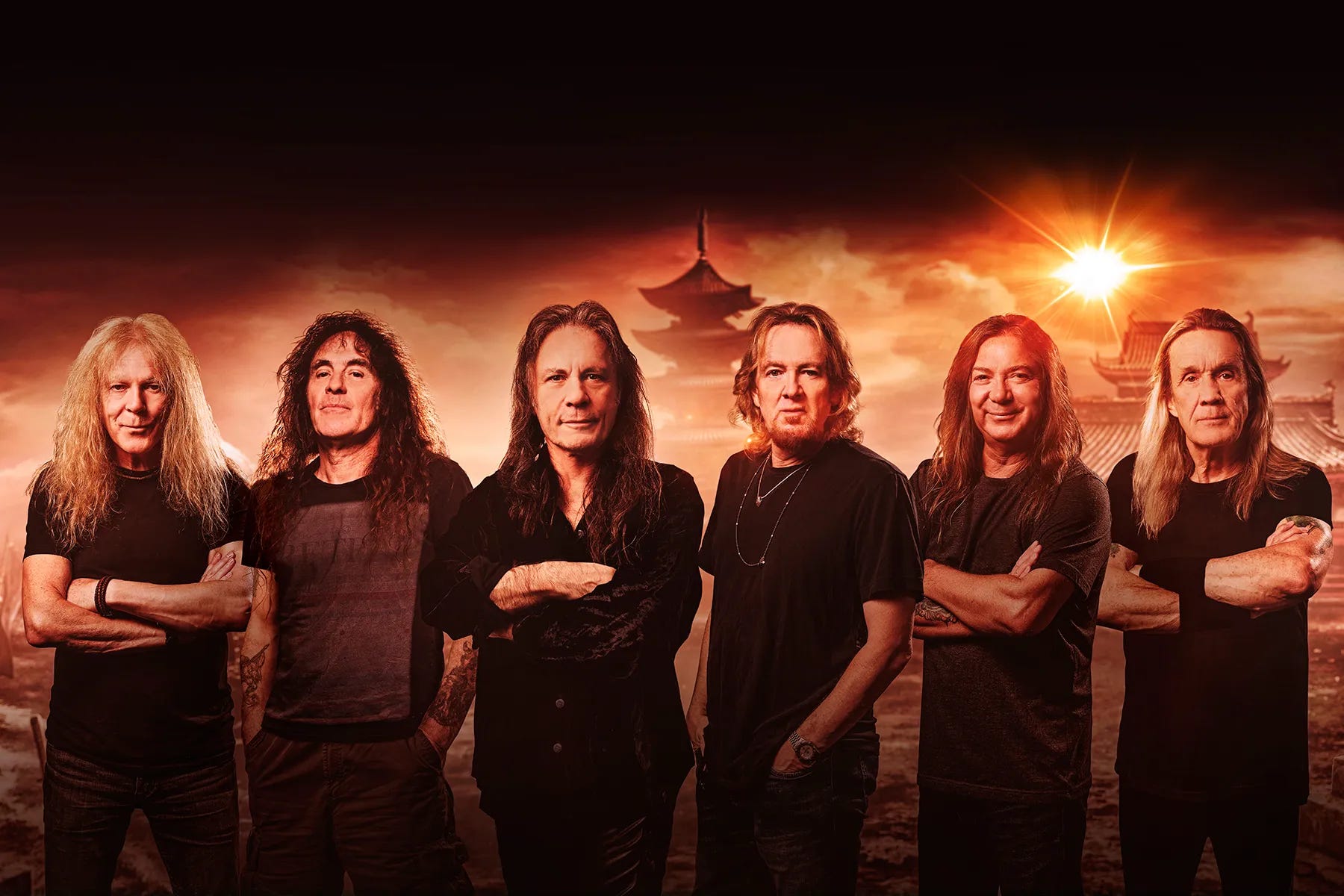
Then there is Iron Maiden. Half a century into their career, they aren’t just surviving; they’re still attracting new fans to this day. They don’t have “customers”; they have a global militia. By treating their business as a relationship and their art as a history book, they’ve bypassed the “viral” trap to build something permanent.
Here is the three-pillar playbook that turned a heavy metal act into a global force.
1. Make Your Fans Fall in Love (The “Love Back” Reciprocity)
Speaking at a Wine Future event, lead singer Bruce Dickinson concluded with this: the goal of a business isn’t to sell: it’s to get the customer to love you. But love is a two-way street. You have to constantly ask yourself: “What are we doing to earn their love, and how are we showing it back?”
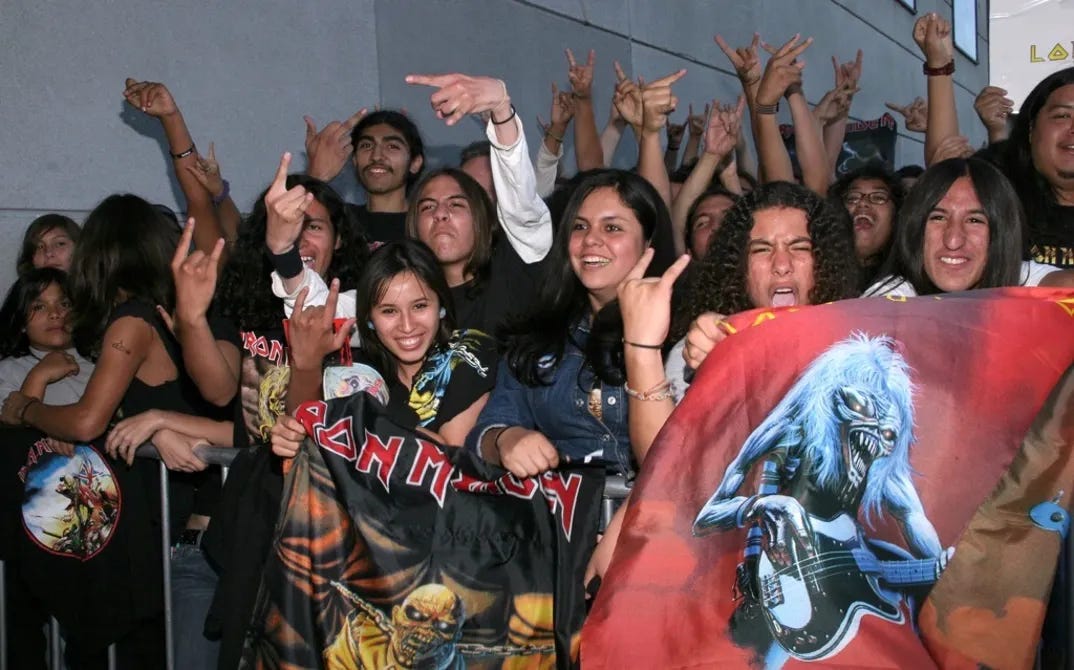
The Piracy Example: During the height of music piracy, while other bands were suing their fans, Maiden took a “data-first” approach. They identified the cities with the highest illegal download rates and toured them specifically. This turned out to be a massive success, turning fans who illegally streamed their music into those who paid for their concerts, and who soon “fell in love.”
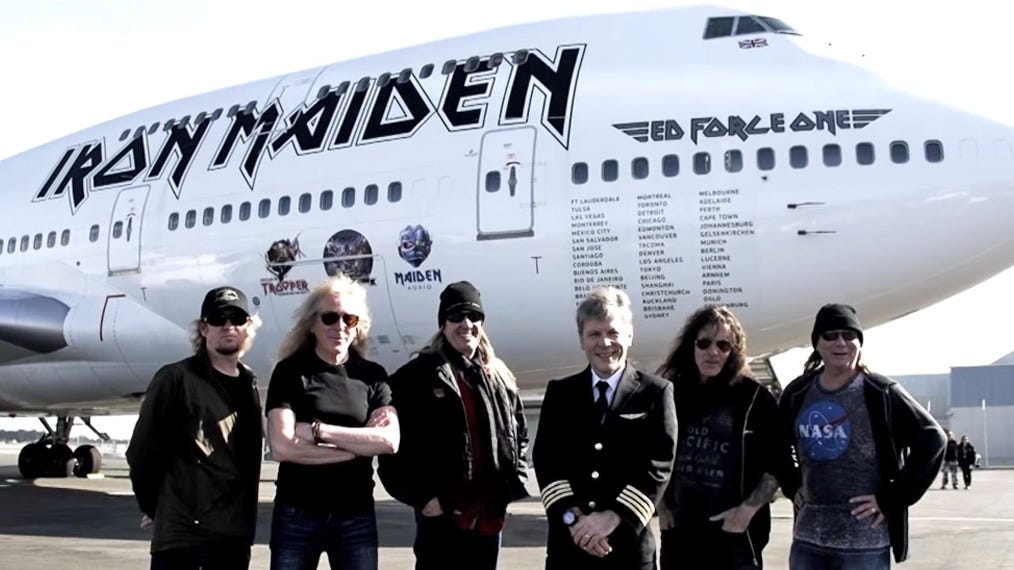
The Takeaway: Iron Maiden goes beyond the stage. They’ve played all over the world, and tailor their marketing strategy to each individual market. They make sure to sell products at every imaginable price point, and fly fans to their shows on their custom plane, Ed Force One. Dickinson, a qualified pilot, is the one who flies them!
2. Look for What’s Timeless (The Narrative Anchor)
To be successful for 50 years, you can’t chase trends; you have to chase history. Iron Maiden’s discography is a deep-dive into the human experience, with their music touching on World Wars, Alexander the Great, and an album inspired by Aldous Huxley’s Brave New World.
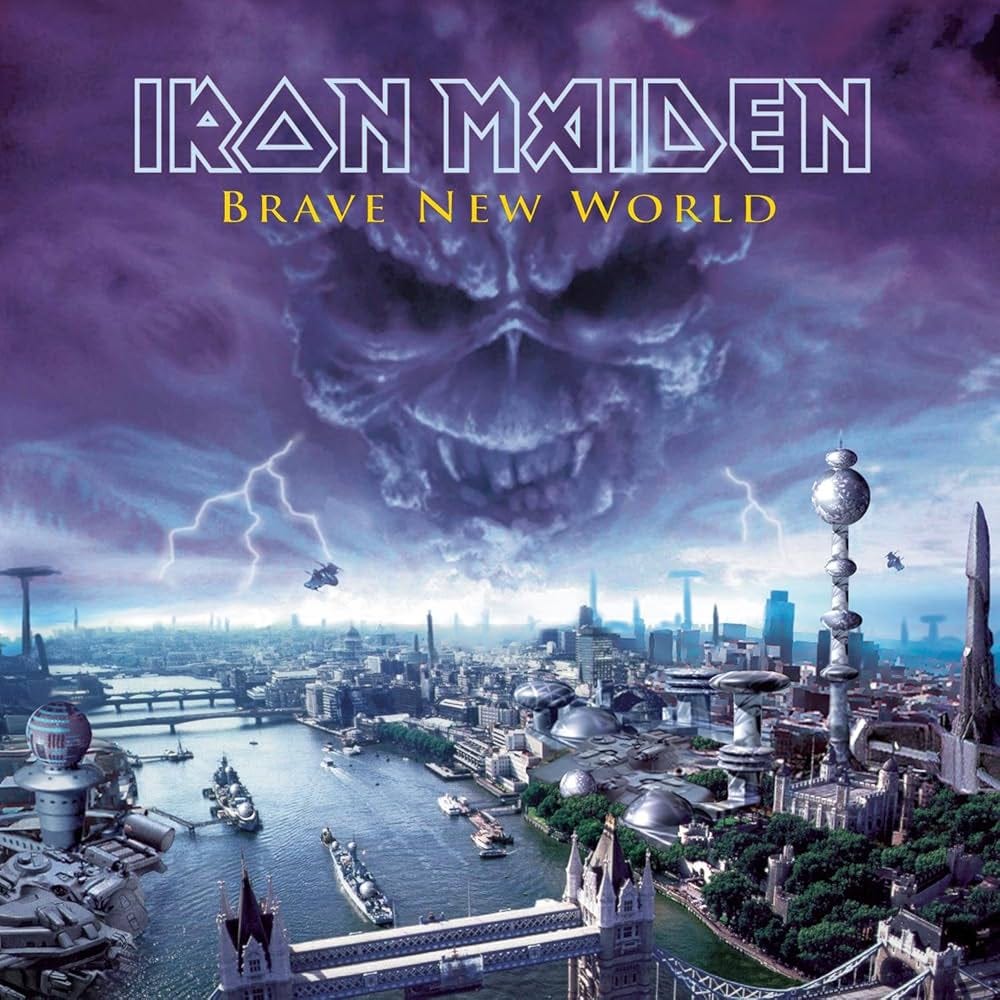
The Mechanism: By rooting their work in historical and literary concepts, the band becomes as timeless as the subjects they cover. Fans don’t just listen to a song; they discover a world that never feels dated. But don’t confuse this with a lack of creativity. Look into the campaigns for The Reincarnation of Benjamin Breeg and Writing on the Wall if you find yourself skeptical about the band’s marketing.
3. Invest in the Long Term & Say No
Many artists are narrow-minded. Iron Maiden looks to the future. As Bruce Dickinson said best, “Maiden’s music appeals to a certain person and in every generation there’s a certain amount of those people born.”
Maiden are the masters of Strategic Rejection. While many acts dilute their brand for quick sync placements or mid-tier endorsements, they operate with a “Future-First” mentality.
Through their own Phantom Music Management, they retain 100% creative and commercial control. They’ve built an ecosystem: comic books, video games, and their own Trooper beer, which allows the brand to exist independently of radio play or streaming playlists.
The Lesson: They regularly decline lucrative deals that don’t align with their artistic vision. This selectivity has preserved their authenticity for five decades.
Final Thoughts
Make Them Fall in Love: Don’t just track your fans. Consider what you are doing to earn their loyalty and, more importantly, how you are rewarding it.
Look for What’s Timeless: Stop chasing the “sound of the week.” Incorporate timeless concepts: art, literature, or history, to give your brand a shelf life that lasts longer than a TikTok trend.
Invest in the Long Term & Say No: Develop a vision for your brand. If a collaboration or deal doesn’t fit that image of yourself, reject it. Authenticity is a long-term asset; don’t trade it for a short-term check.
In 2026, Iron Maiden isn't just a band; they are a case study in Brand Longevity. They proved that if you respect your fans and your craft enough to say “no” to the noise, the world will say “yes” for half a century.
References
Clayton, T. (2025). Rock solid: how Iron Maiden built a licensing legacy. Licensing Source. https://www.licensingsource.net/indepth/rock-solid-how-iron-maiden-built-a-licensing-legacy/.
Deshpande, I. (2018). What Iron Maiden taught me about marketing. LinkedIn. https://www.linkedin.com/pulse/what-iron-maiden-taught-me-marketing-indrajeet-deshpande/.
Holiday, R. (2024). Everything I learned from Iron Maiden about life. Ryan Holiday. https://ryanholiday.net/everything-i-learned-from-iron-maiden-about-life/.
Horvath, Z. (2026). Ebro’s stubborn take about Lil Uzi Vert has the internet rolling its eyes 10 years later. Hot New Hip-Hop. https://www.hotnewhiphop.com/981692-ebro-revisits-lil-uzi-vert-debate-10-years-later.
Loughlin, S. (2025). From pub to empire: How Iron Maiden built a metal business dynasty. Music Gateway. https://www.musicgateway.com/blog/music-business/from-pub-to-empire-how-iron-maiden-built-a-metal-business-dynasty.
Pfanner, E. (2010). Die-hard fans follow Iron Maiden into the Digital Age. The New York Times. https://www.nytimes.com/2010/09/06/business/media/06maiden.html.
Sadr, N. (2016). Iron Maiden: digital marketing case study. Musically. https://musically.com/2016/01/26/iron-maiden-digital-music-marketing-case-study/.
Siddle, R. (2024). Iron Maiden’s Bruce Dickinson on turning cutomers into fans. The Buyer. https://www.the-buyer.net/insight/iron-maidens-bruce-dickinson-on-turning-customers-into-fans.