

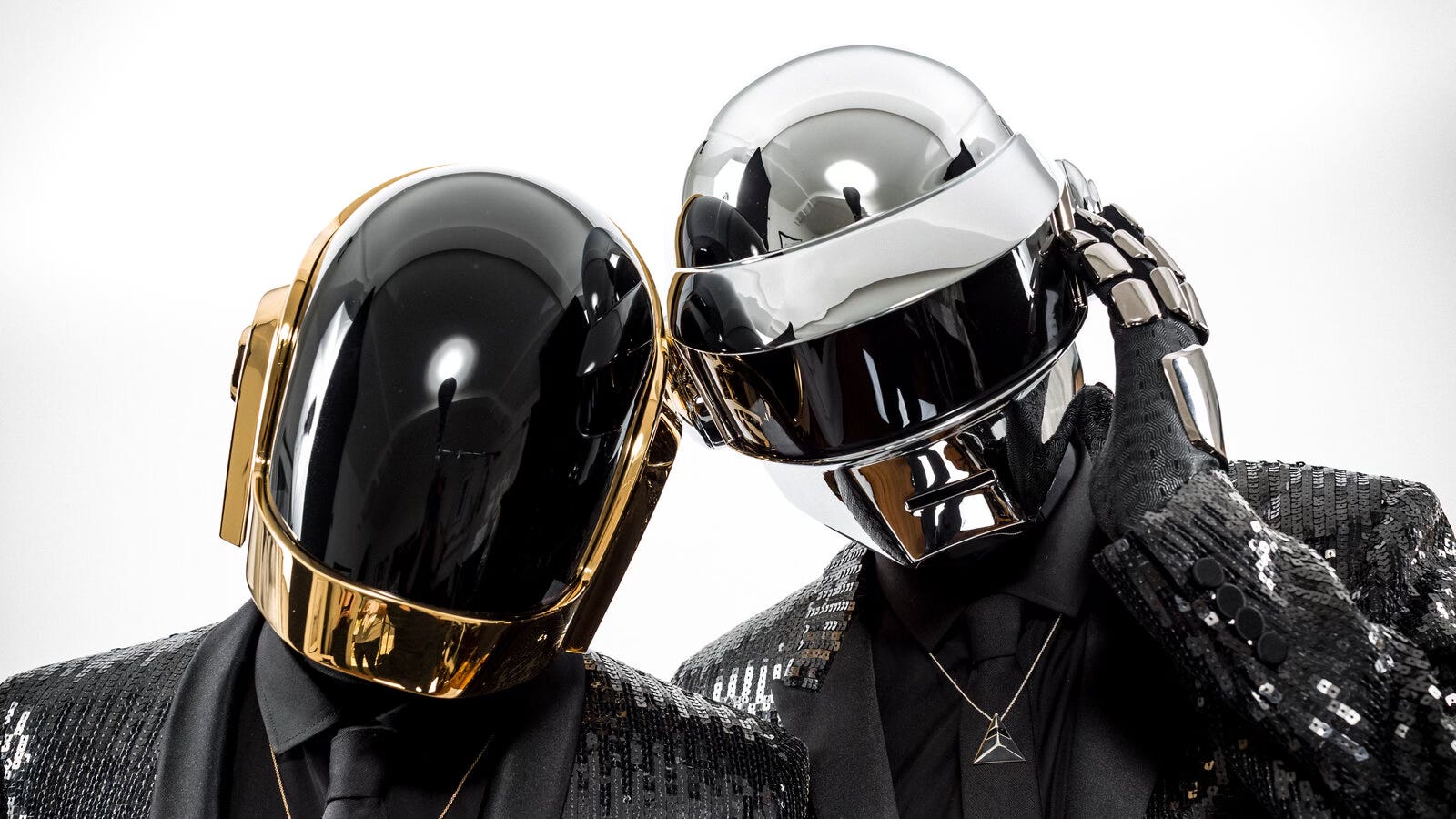
TL;DR: The Daft Punk Strategy
The Goal: Redefine music, push for full creative control, and a visual-based style
The Results: 5 Grammy Awards, Absolute Control, and Global Fame with only 4 Studio Albums
The Pillars: Reinventing the Live Performance, Retaining Creative Control, The Scarcity Principle
How did two anonymous French musicians who actively hid their faces become the most recognizable electronic act in history?
The simple way of putting it is they changed the game. The music of 2026 revolves almost entirely around visually heavy performances, but this may not have been possible without the legendary 2006 Coachella performance. It’s that innovation combined with a relentless obsession with their art that has seen Daft Punk rise, and most importantly, remain at the very top throughout their career.
Here is the three-pillar playbook that turned an unknown duo into legends.
1. Reinventing the Live Performance
Before 2006, the DJ Set revolved strictly around audio. DJs were hidden in dark corners, with ravers facing away from the set to focus on the music. This changed on August 29, 2006, with Daft Punk’s performance at Coachella. The live show completely flipped to a visual spectacle, with massive holograms, sensory overload, synchronized drones, and more. By drawing 40,000 fans to a 10,000-capacity tent, Daft Punk shifted electronic music to a visual lens, and it’s stayed there.
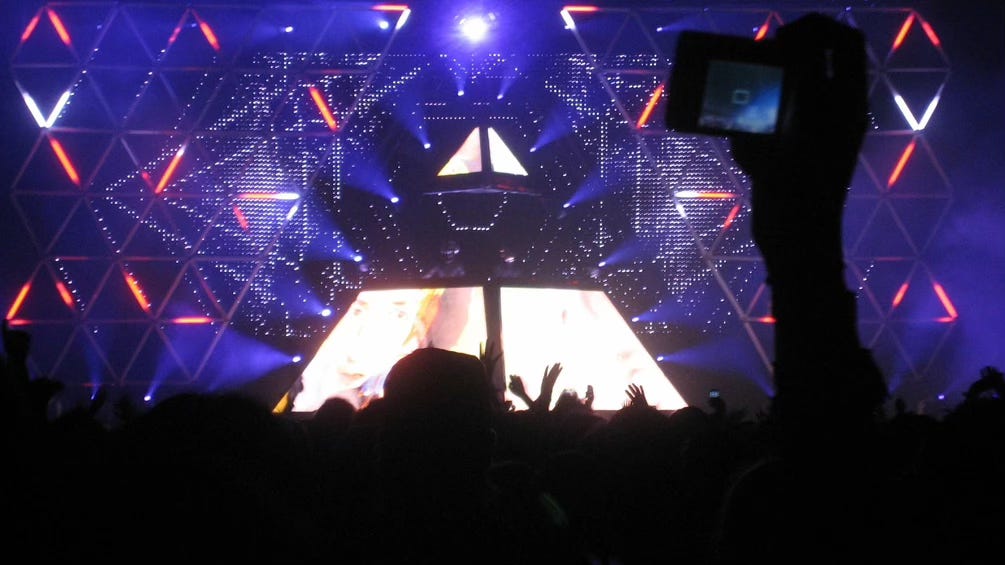
The Takeaway: Daft Punk saw an opportunity that was missing in the electronic world, and they took it. By making their performances so visually heavy, they ensured they could be recognized by anyone, even without their faces being shown. It’s no surprise the music industry has taken such a visual-centric approach ever since.
2. Retaining Full Creative Control
Daft Punk’s 1997 contract with Virgin Music reversed the traditional perspective of label power. It didn’t come without risk, but it’s that attitude that made the duo who they are today.
The Strategy:
The Traditional Deal: Labels pay an advance, owning the artist’s publishing and masters, and possessing large control over promotion.
The Daft Punk Deal: Daft Punk chose to self-finance their production, in exchange for complete control of their vision, and simply presented Virgin with their finished product once done.
The Mechanism: This model allowed Daft Punk to be in complete control, and gave them the ability to take big risks their label may not have authorized (such as paying $300K out of pocket for their Coachella performance)! They defied industry expectations and consistently opted for a vision they believed in, and fans continuously chose to follow them.
3. The Scarcity Principle
For a group with a 30-year legacy, having only four studio albums is hard to believe. But it’s that scarcity that drew fans in. Daft Punk operated around the principle that their output is rare, and that means people pay attention more.
This stemmed from an obsession over their craft. From spending four years on Random Access Memories to testing 3 vintage mics for a single vocal, every detail of each composition has the level of attention behind it you expect from a masterpiece. It’s that obsession that keeps people listening years after the duo split apart, and will keep them listening for many more.
The Takeaways (The “So What?”)
Reinvent The Narrative: Look for areas your brand can be expanded into, and take initiative.
Trust in your Vision: Establish a vision for your brand, and remain faithful to it. Without the risks, Daft Punk would never have been able to reach these heights.
Obsess Over Your Craft: In an oversaturated world, it’s ok to go against the grain. Just make sure you put the thought and passion into your work that justifies its scarcity.
In a world where every artist wants their face front and center, Daft Punk kept theirs hidden. Still, they’ve become one of the most recognizable acts of all time.
References
Grenier, L. (2021). Daft Punk: 5 marketing lessons to make your business famous. Stand The F*ck Out. https://www.stfo.io/articles/daft-punk-marketing/.
Hypebrother (n.d.). The story behind Daft Punk helmets. Hype Brother. https://www.hypebrother.com/blog-the-story-behind-daft-punk-helmets.html.
O’Brien, C. (2023). Case Study: How artists and songs go viral. edmprod. https://www.edmprod.com/case-study-how-artists-and-songs-go-viral/.
Robinson, K. (2021). 15 years ago, Daft Punk’s Coachella set helped spark an arms race for live music technology. Water & Music. https://www.waterandmusic.com/15-years-ago-daft-punks-coachella-set-helped-spark-an-arms-race-for-live-music-technology/.